

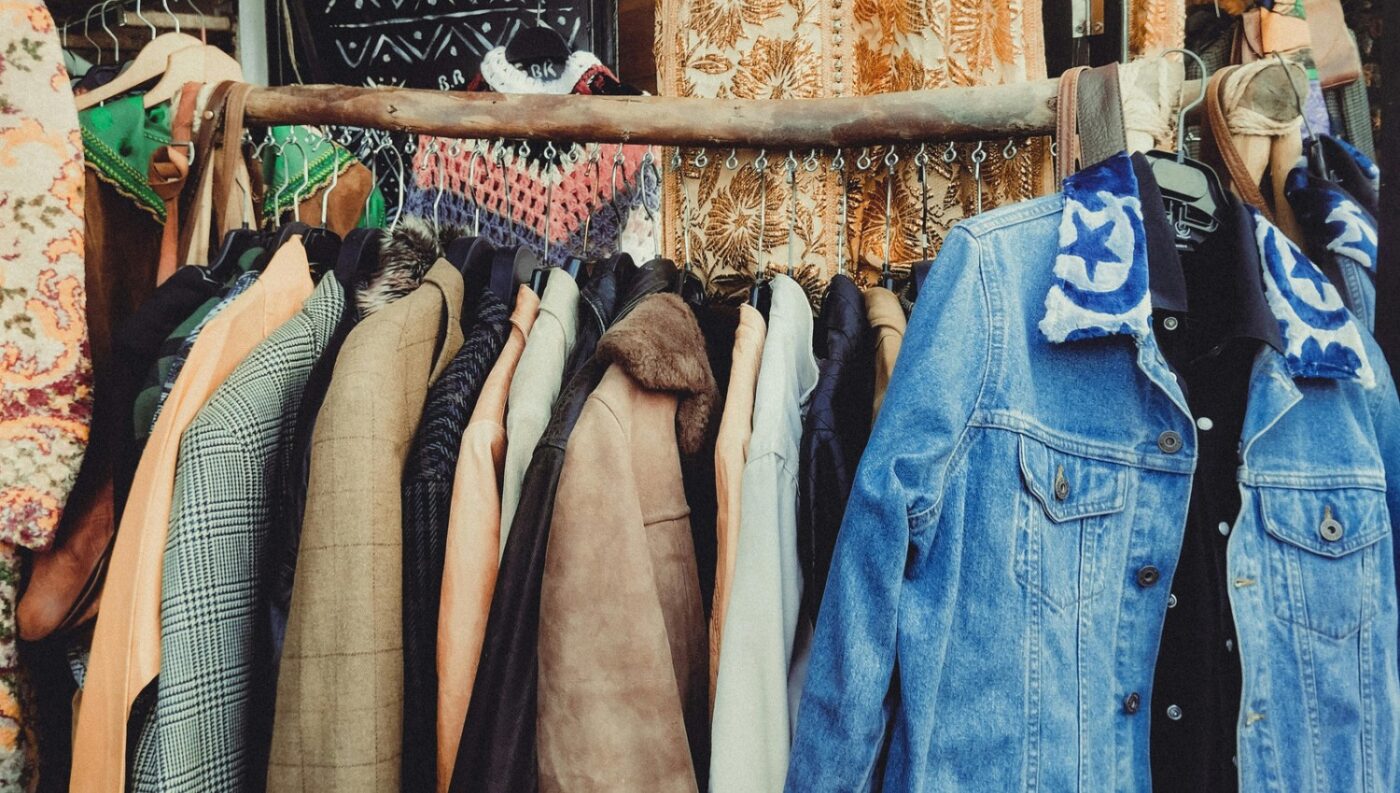
Vintage dressing has moved from the thrift store to the runway. Across the spring 2027 shows in Paris and Milan, designers styled new collections to look as though they had been put together from wardrobes spanning several decades.
At Chanel in Paris, Matthieu Blazy told Bazaar the idea came from collecting his teenage nephew from school, where he noticed students mixing pieces from the 1930s, 1950s and 1970s without sticking to any single era. One look paired an old Chanel jacket with new Chanel shoes, black trousers, mixed jewellery and a worn belt, while knee-length skirt suits came with stacks of necklaces and tweed jackets carried oversized floral brooches. Blazy even sent Gabrielle Chanel’s original 2.55 bag down the runway.
In Milan a week earlier, Dolce & Gabbana framed its show around the wardrobes of grand Sicilian homes passed down through generations, mixing antique blouses with embellished jeans. At Gucci, Demna built a character he called the rebellious aristocrat, combining rugby shirts, pleated tartan skirts, puffy bombers and horsebit belts as if taken from a school uniform, a thrift shop and a father’s closet.
The Row’s Olsen twins draped doilies, lace and antique linens over their usual black trousers and trench coats, and Ralph Lauren mixed Western and preppy Americana with nods to the English aristocracy and workwear.
The shift reflects how people now shop. ThredUp’s 2026 Resale Report found that 62 percent of Gen Z shoppers bought secondhand last year, and growing resale demand means fashion houses increasingly compete with their own archives, from early 2000s Pucci and Etro to reissues such as Chloé’s Maxime wedge and the McQueen skull scarf. On the runway, Bazaar argues, the goal is less about distressed clothes than about character and individuality after years of polished quiet luxury.
Based on reporting by Camille Freestone for Harper’s Bazaar, November 17, 2026.