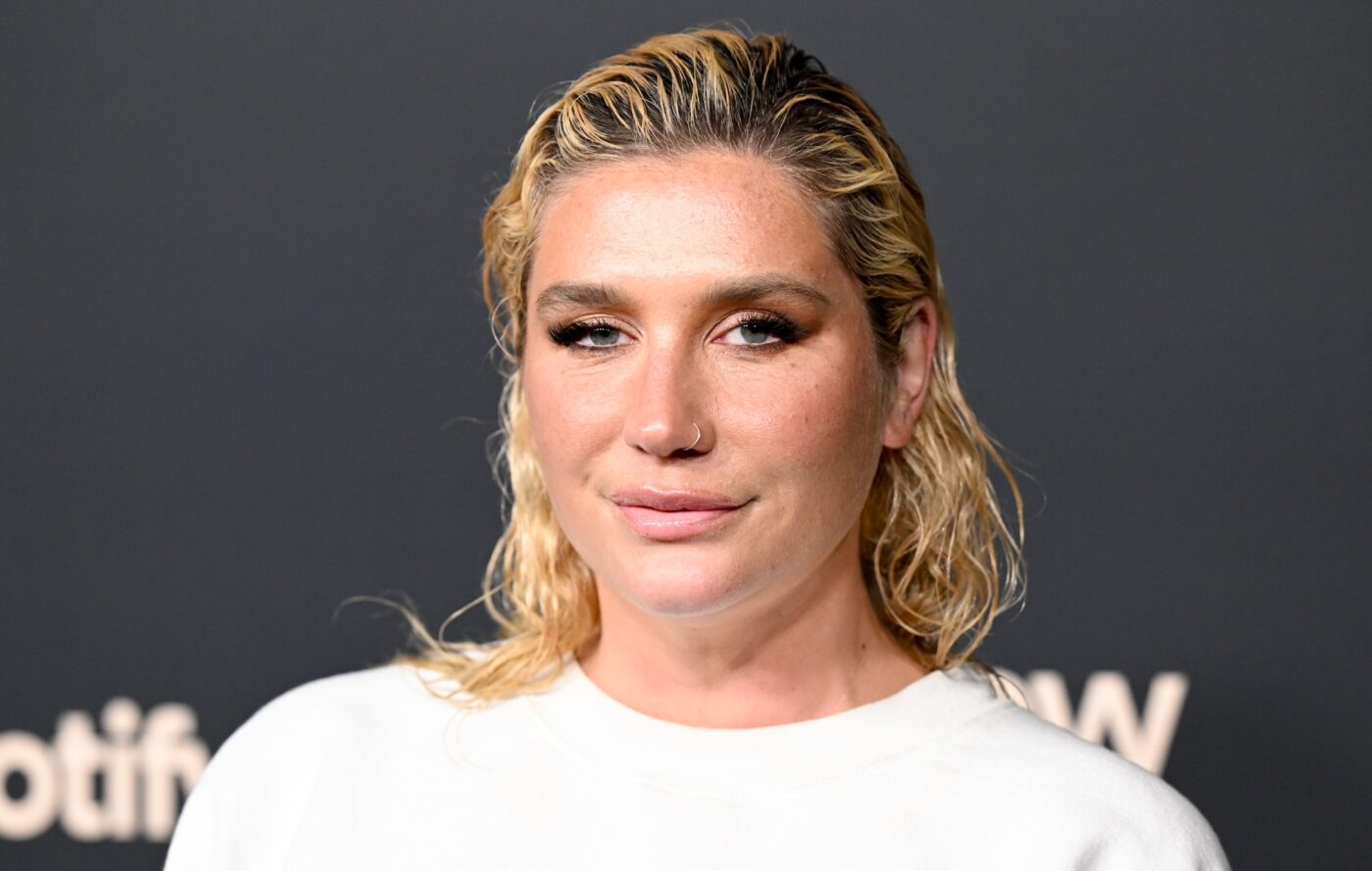
Pop star Kesha publicly criticized the The White House and the administration of Donald Trump on Monday afternoon, accusing them of using her music without authorization to promote what she described as violent messaging. The singer said her 2010 track “Blow” was featured in a TikTok video posted by the White House’s official account, calling the move “disgusting and inhumane” in light of escalating tensions following the United States’ recent military strike on Iran.
The controversy stems from a clip shared on Feb. 10 that showed fighter jets flying across the sky with the caption “Lethality,” set to Kesha’s high-energy dance-pop anthem “Blow.” The song originally appeared on her debut EP, Cannibal, and was officially released as a single on Feb. 1, 2011. Known for its pulsing beat and rebellious lyrics — including the refrain, “This place about to blow, oh-oh-oh-oh-oh-oh” — the track became one of her signature early hits. Its music video, released later that month, featured actor James Van Der Beek.
Taking to Instagram, Kesha made clear she did not consent to the song’s use. “It’s come to my attention that the White House has used one of my songs on TikTok to incite violence and threaten war,” she wrote. “Trying to make light of war is disgusting and inhumane. I absolutely do NOT approve of my music being used to promote violence of any kind.”
She continued her statement by emphasizing her broader stance against violence. “Love always trumps hate. Please love yourself and each other in times like this. This show of blatant disregard for human life and quite frankly this attack on all of our nervous systems is the opposite of what I stand for,” she posted.
In a pointed conclusion to her remarks, the singer also referenced Trump’s alleged appearances in the Epstein Files, writing, “Also, don’t let this distract us from the fact that criminal predator Donald Trump appears in the files over a million times.”
Kesha joins a growing list of artists who have publicly objected to the White House and/or Trump using their music without permission, either at campaign rallies or across digital platforms. Those who have spoken out in similar situations include Olivia Rodrigo, Sabrina Carpenter, SZA, Celine Dion, Kenny Loggins, Linda Ronstadt, Foo Fighters and The White Stripes, among others.
Disputes over political figures’ use of copyrighted music have become increasingly common in recent election cycles, often raising questions about licensing agreements, artist consent and the broader intersection of pop culture and political messaging. In this case, Kesha’s objection underscores the tension between artistic intent and the ways in which music can be repurposed in high-stakes political contexts.