
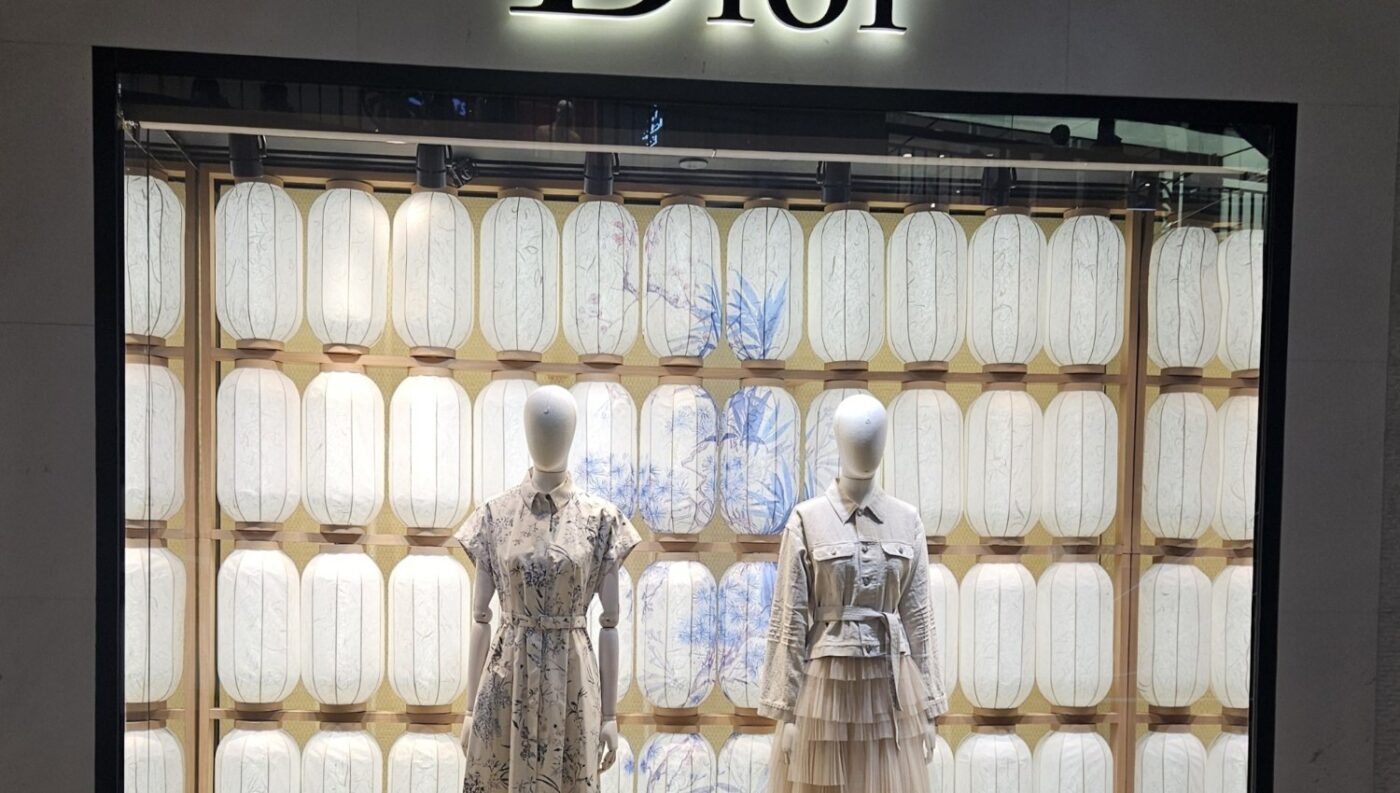
LVMH reported a 5% organic decline in third-quarter sales at its fashion and leather goods division, the arm that includes Louis Vuitton and Dior. The unit brought in €8.2 billion, a weaker result than analysts had expected, while the group as a whole posted revenue of €18.5 billion, up 1% on an organic basis.
Analysts had forecast a fall of between 2% and 2.5% for fashion and leather goods, so the result came in well below expectations. The group pointed to softer demand in China, while sales in the United States, Europe and Japan grew. The decline follows a 1% rise in the second quarter, which had been the division’s first quarterly increase in two years. Group revenue for the third quarter was in line with consensus, and sales for the first nine months reached €57.1 billion.
Other parts of the business helped to offset the weakness in fashion. Selective retailing, led by Sephora, rose 8% to €4.1 billion. Watches and jewellery grew 6% to €2.5 billion, and wines and spirits also climbed 6% to €1.4 billion. Perfumes and cosmetics were broadly stable at €2 billion. Currency movements added 2% to reported figures, while changes to the portfolio, including the sales of DFS and Marc Jacobs, took 2% away.
The numbers matter because fashion and leather goods remain the main driver of profit for the world’s largest luxury group. The fall was less severe than the most pessimistic scenarios that had circulated before the release, but it is likely to revive questions about whether the division can return to growth in 2027. Management said it remained confident in the strategy of its brands, and gave no sign of changing course at its biggest fashion houses.
Investors will now look to the final months of the year for signs that demand in China is stabilising. The contrast between steady growth at Sephora and in watches and jewellery, and the slowdown at the group’s biggest fashion houses, highlights how much LVMH now relies on its other divisions to hold overall sales steady. The quarter also confirms that the second-quarter improvement in fashion and leather goods did not mark the start of a lasting recovery, and the division’s performance in the coming quarters will be closely examined by analysts who had hoped the worst was over.