

There is a particular kind of restraint that Ariana Grande has practised for most of her adult life, and petal — released on 31 July via her own imprint, BabyDoll Music, and Republic — is the sound of it being set down. She has described writing the album from a place of unfiltered rage, a register she usually declines to reach for out of shyness, and the description holds. Nothing here has been smoothed over on the way out.
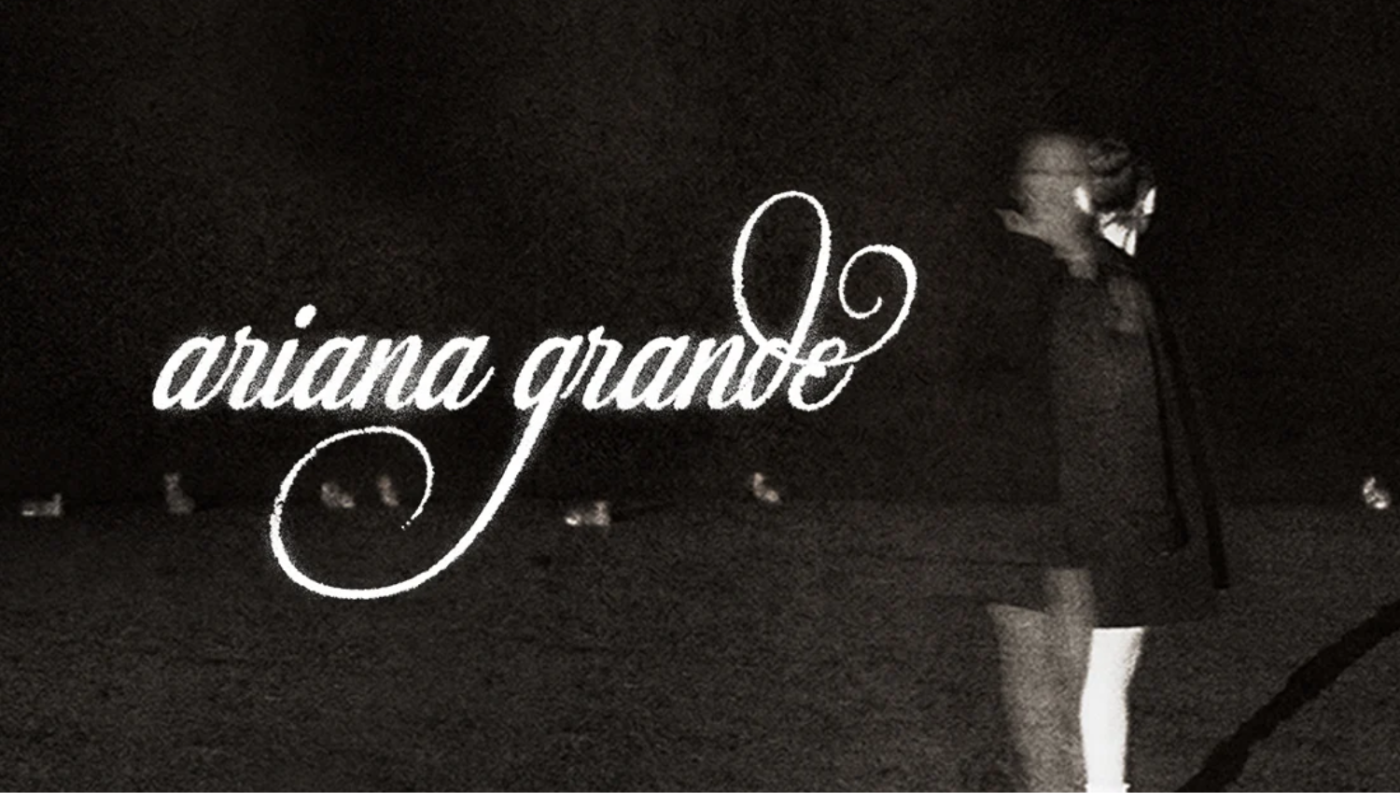
The album arrives looking the way it sounds. The visual world around it is drained of colour, the title-track film directed by Christian Breslauer, and the effect is less glamour withheld than glamour deliberately corroded — a pop star photographed in the greys she has spent a decade being lit against. Grande’s own image for the record was of something pushing up through a surface that is cold and hard, and the production, sparse and distorted and frequently unpleasant, is unmistakably that surface.
She made it with a very small room. Ilya Salmanzadeh, who has been beside her since Thank U, Next, co-wrote and executive produced; Max Martin joins on three tracks as co-writer and producer. There are no guest features, no obvious concessions, and no attempt to disguise how much of the album consists of one voice held up against something breaking underneath it. The title track proceeds at a heavy, dragging waltz, piano arriving in stabs rather than phrases. Where Grande has historically been celebrated for the top of her range, she spends much of petal lower and grainier, and the friction between the clean vocal and the damaged track beneath it is the whole design of the thing.
What she is singing about, more or less throughout, is the condition of being looked at. Intrusive fandom, the version of herself the press keeps assembling without her, the residue of relationships conducted in public — all of it surfaces, alongside a preoccupation with endings and with the old, tired proposition that an artist has to be suffering to be any good. One interlude is titled “warning signs.” A track called “bad thing (bunny hop)” is the strangest thing she has committed to tape. On the title track she declines the role that has been written for her: not a victim, not in need of saving, and considerably harder than the story currently circulating about her would allow.
That story has been loud for two years now. The Eternal Sunshine rollout in 2024 was largely conducted through rumour about her private life, and this one has unfolded against a running public commentary about her body during the Eternal Sunshine Tour, her first global run in more than seven years. Which produces a peculiar listening environment: one in which a lyric about an ending is received as a disclosure, and an album made in a minor key becomes a document to be assessed for symptoms rather than a record to be heard.
The songs are not diary entries, and darkness in pop has never been reliable evidence of anything except an interest in darkness. What is genuinely interesting about petal is that Grande appears to have anticipated the misreading and built the album partly out of it — an artist making work about surveillance for an audience that will inevitably surveil the work. Both things can sit together: this is someone who has stopped filtering, and it is also a piece of craft, made with two of the most accomplished producers in pop, delivered on schedule, with the video ready on the day.
She has not, meanwhile, sacrificed a thing commercially. “hate that i made you love me” debuted at number one on the Hot 100 in May, her tenth chart-topper, making her the first artist to send the lead single from each of her first eight albums into the top ten on arrival. She gave the title track its first airing on stage in Montreal, before anyone had heard the recorded version.
petal is out now on BabyDoll Music and Republic Records.