

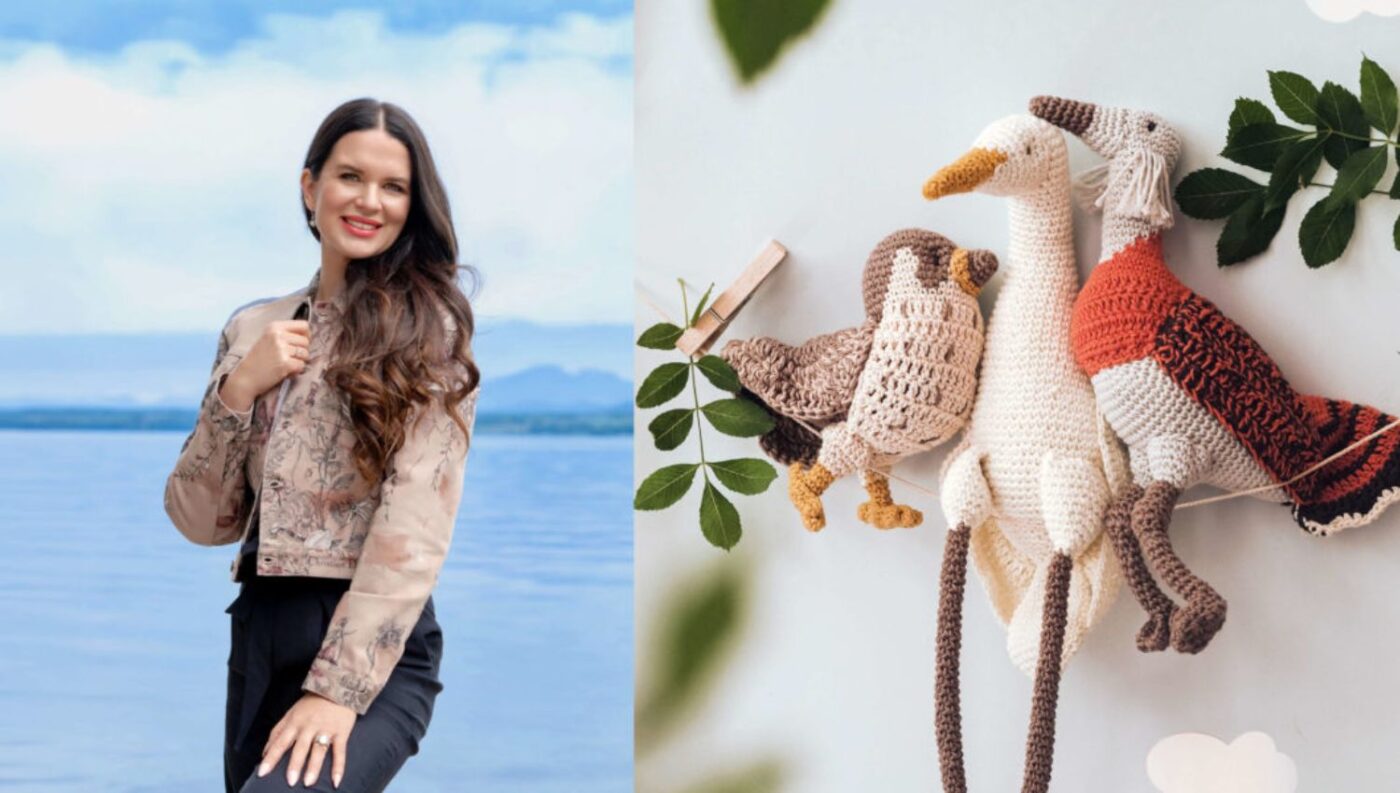
Getting children to care about biodiversity and endangered species without overwhelming them is no small task. That’s the guiding purpose behind Nature Renaissance, a Geneva-based foundation launched in 2025 by Natalia Törnqvist. Through partnerships and projects across Switzerland, the organization introduces young people to environmental issues in ways that feel hopeful rather than frightening. We sat down with its founder to hear how she nurtures respect for the living world in the very young.
From Childhood Wonder to a Mother’s Mission
Törnqvist traces the idea back to her own early years. She was captivated as a child by the hidden links between plants, animals, and the ecosystems that hold life in balance. Motherhood deepened that fascination. Seeing the natural world again through her children’s eyes, she realized that wonder alone wasn’t enough—it had to translate into action, not just for her kids but for their entire generation.
Teaching Care, Not Anxiety
At the heart of the foundation’s work is a simple goal: help children value nature without turning it into an abstract or distressing lesson. To that end, the team has produced a whale-themed book that pairs coloring pages with digestible science and conservation messaging. They’ve also created bilingual French-and-English brochures introducing various species and the ecosystems they rely on, along with an educational kit built around hands-on activities, drawing, and observation. The materials work equally well at home, in workshops, or in classrooms.
Why Birds Became the Symbol
The foundation also designed a line of plush toys modeled on bird species listed as vulnerable on the International Union for Conservation of Nature (IUCN) Red List. As Törnqvist explains, a stuffed animal is something a child bonds with instantly, making it an ideal gateway to ideas about nature and protecting living things. Each toy is crafted from 100% organic cotton, in keeping with the foundation’s values, and arrives with a bilingual booklet describing the bird, its habitat, why it’s at risk, and what its protection involves.
Birds were a deliberate choice. They’re a familiar presence in gardens, parks, cities, countryside, and along lakeshores—and they double as reliable barometers of ecosystem health. Declining populations can signal deeper problems tied to pollution or a changing climate. Birds also carry symbolic weight, evoking movement, migration, and freedom alongside fragility, which lets adults raise difficult topics with children gently.
Small Actions, Real Responsibility
Törnqvist believes children can contribute in their own way through everyday habits: sorting waste, conserving water and electricity, and leaving no trace outdoors. Watching the species around them helps kids grasp why these choices matter. Though modest, such actions plant an early sense of responsibility and foster a positive bond with the living world—shaping a generation better equipped to protect the planet as adults.
A Closing Thought
Asked for a single message, Törnqvist points to kindness—toward people, animals, and nature alike—as a responsibility rather than a weakness. It pushes us to stay attentive, to weigh the consequences of our decisions, and to look beyond ourselves. Protecting nature, she says, isn’t only about saving species or landscapes. It’s about learning to live in the world more thoughtfully.